
Featured

Best practices for managing employee conflict

Conflict in the workplace can be a serious issue. It can cause significant disruption and can lead to employees feeling stressed, demotivated, and disillusioned. Managing employee conflict can be difficult, but doing so effectively is essential and is a cornerstone of successful business management. 

Managing conflict in the workplace requires careful monitoring and excellent interpersonal skills. To help you maintain a positive working environment, we’ve written up a guide and detailed the best practices for managing employee conflict. Find out more below.  

Encourage Communication 

As a business owner, one of the most beneficial things you can do is to foster an open environment where your employees are free to communicate and speak their minds. Members of your team should feel comfortable bringing issues to you when and as they arise. This way, you’ll be able to take steps to prevent situations from escalating and causing disruption to your business. 

This can offer your business several advantages, it can help boost employee morale and productivity and create a friendlier, more welcoming atmosphere that will improve the culture within the business

Active Listening 

If an employee brings a conflict issue to you, you must know how best to handle their complaint and ensure they feel listened to and understood. 

Active listening is a communicative approach that is designed to listen to the words somebody says and understand them on a deeper, more meaningful level. The key to active listening is the word ‘active’, you need to be an active participant in the conversation rather than just a passive listener. 

There are several components to an active listening approach, learning what these are is essential and will allow you to better hear and understand the problems your employees bring to you. These components are:

  • Encourage: show signs of interest to encourage your employee to continue sharing
  • Question: ask questions to clarify information and get more details
  • Repeat: repeat statements in your own words to demonstrate understanding and confirm meanings
  • Reflect: confirm the feelings conveyed to demonstrate emotional understanding and empathy
  • Remain neutral: do not pass judgement and instead act as an understanding listener offering reinforcement and encouragement. 

Active listening is a crucial tool when managing employee conflict. It can be used to understand the details of a situation in a calm and collected way, and it will make your employees feel like they are being listened to, encouraging them to share more issues in the future. 

When listening to two sides of a conflict between employees, active listening is vital as it will ensure you are not perceived to be taking sides or showing favouritism, and you’ll be able to assess the conflict in an objective, neutral way. 

Identify Underlying Problems 

No matter how open and effective communication is in your business, there will still be times when employees don’t share their concerns.  As a manager r, you need to be attuned to the mood and atmosphere of your workplace. If you can sense tension or friction between employees, this could indicate that there are unresolved conflict issues or disagreements bubbling under the surface. 

It can be difficult to know how to approach things if you sense that there are underlying conflict problems, but the best way is usually through clear communication. Speak to your employees and ask if anything is troubling them at work and do your best to address any issues they might raise.  

Know When to Take Action 

Managing employee conflict is all about knowing when to step in and when not to. Small disagreements and differences are part and parcel of the working experience. Often, these are perfectly normal and healthy, they can teach employees how to put aside their differences and work together towards a shared goal. 

If there are small disagreements taking place, there’s no need for you as a manager to step in. In fact, doing so can have a negative effect, it can make you seem like a micro-manager, which can result in reduced employee productivity

On the other hand, you need to be ready to step in when disagreements escalate into full-blown conflict, or when one party is being mistreated or bullied. Knowing how to differentiate between these different kinds of situations is one of the most important parts of managing employee conflict. 

It’s also vital that you know when you might need extra help. If employees are threatening to quit or if there are serious conduct issues taking place, enlisting the support of a HR team can offer you the expert advice and guidance you need to successfully navigate what can be a volatile situation. 

Take a Collaborative Approach 

The ultimate aim when managing employee conflict is to come to a mutually beneficial agreement that all involved parties are satisfied with. 

As we mentioned earlier, conflict can be incredibly disruptive and can have wide-ranging implications for your business. It’s in your and your employees’ interests to come to a mutual agreement. This can be difficult to achieve but is essential to ensure no party is left feeling aggrieved or unfairly treated. 

Involve your employees when it comes to devising conflict resolution ideas. Try to find some common ground and agree on a course of action together. By working as a team to resolve the issue, you will help prevent the same situation from happening again and encourage cooperation and collaboration. 

Conclusion

Effectively managing employee conflict is a core skill for all l business owners and managers. Know how to read situations and how to talk to your employees. You must also be able to decide when you should or shouldn’t step in, and you should always consider speaking to a HR consultancy team to help successfully resolve issues in your workplace. 


The Benefits of Diversity and Inclusion in the Workplace

Diversity and inclusion are terms we’re hearing more and more in today’s world. As we strive to foster a more tolerant and welcoming society, individuals and organisations alike must focus on promoting the idea of diversity and inclusion and to eradicate discrimination and prejudice.  As a business owner, having a diverse workforce can offer some excellent advantages. We’ve listed some of the benefits of diversity and inclusion in the workplace below and discussed how you can ensure your business isn’t missing out on them. 

We have the best opportunity we have ever had to have a diverse range of talent in our business – for many roles people can work anywhere, removing physical barriers that many disadvantaged groups suffered from prior to the pandemic.

Innovative Ideas

When running your own business, being one step ahead of the competition is no doubt one of your top priorities. No matter what sector you are in, staying abreast of the latest techniques and technological developments is vital and will ensure you are not being left behind by your rivals. 

Your business must be dynamic and constantly looking to innovate and improve. This is easier said than done, it requires a dedicated and driven workforce to push your business on to new heights. 

One of the biggest benefits of diversity and inclusion in the workplace is the capability they give your business for innovation and growth. A diverse team will be able to draw on a range of different experiences and areas of expertise, which means your workforce will be less prone to tunnel vision and more capable of looking at things from a fresh perspective. This can give your business a fantastic edge over competitors and can keep things from becoming stale and repetitive. 

Improved Performance

Owning a business means constantly having to solve problems. Often, the decisions you make can have a massive impact on your business and can affect everything from sales figures to brand reputation. 

Your team is there to support and guide you as you make the best decisions for the business. Perhaps one of the most important benefits of diversity and inclusion is that your team will be better placed to solve problems effectively and efficiently. 

Research from McKinsey & Company revealed that companies with more diverse workforces are 25% more likely to have greater profitability. This clearly demonstrates the benefits of diversity and inclusion and illustrates how diverse teams are more capable of navigating complex business decisions. 

Promoting diversity within your business can see significant improvement across a range of key metrics and propel your business on to new heights. 

Happier Workforce

Keeping your employees productive is key if you want your business to grow and succeed. Your employees need to feel happy and appreciated in the workplace if you want them to remain motivated, ambitious, and dedicated to taking the business forward. Fostering a diverse and inclusive environment will make employees feel more welcome and more secure in their roles, which will reflect in improved performance. 

In addition, a diverse workforce means your company will be more successful at attracting the best talent. Diversity is an increasingly important attribute that job seekers look for when weighing up offers, so ensure your business promotes diversity at every level to appeal to the best talent. 

What’s more, a diverse and inclusive business will see improved employee retention rates. This is one of the most critical benefits of diversity and inclusion, it can help you keep your best employees and prevent them from being headhunted by your competitors. 

Improved Brand Image

Whether you are a B2C or B2B company, the image and reputation of your brand are of critical importance. Consumer priorities and preferences are constantly changing, your business must be progressive and forward-thinking to meet shifting consumer expectations. 

One of the biggest benefits of diversity and inclusion in the workplace is the improved ability to appeal to modern customer bases. Gen Z is an incredibly diverse demographic and is more aware of issues of discrimination and social justice. This is reflected in their shopping habits, with 76% of Gen Z consumers citing diversity as an important value they look for in brands. Establishing a diverse workforce can make it easier to target these modern consumer groups. 

Furthermore, promoting diversity can significantly boost your brand image and reputation in the eyes of consumers and other business partners. This is one of the most valuable benefits of diversity and inclusion and will open up new opportunities and possibilities for your business. 

How to Diversify Your Workforce

Talking about the benefits of diversity and inclusion is one thing, effectively taking advantage of them is another. If you want to diversify your workforce and reap the rewards of an inclusive work environment, enlisting the services of a HR consultancy team can be an excellent approach. 

A HR team can work to promote diverse workplace practices and implement inclusive hiring policies. This is an incredibly effective way of ensuring your business is welcoming and open to all which will future-proof your company and guarantee that it is ready to meet the expectations of an evolving market landscape.  

Conclusion

There are many benefits of diversity and inclusion, all of which are essential if you want your business to be a success. Speak to a HR consultancy team to discuss how best to diversify your business to ready it for the future. 

What is a HR Retainer and How it Could Help Save your Business Money

Unfortunately, many businesses are so focussed on revenue and customer retention they forget the important role people play in their business and the need for good HR support. Small businesses in particular often maintain that they can’t justify the cost of employing a HR person and often have a PA or Finance person managing HR activities.

This is far from an ideal scenario. Ignoring HR or putting it on the back burner is ill-advised, it can have serious and long-term implications for you, your employees and your business. One approach to HR that we’ve seen become more popular in recent years is the use of a HR retainer. Let’s take a closer look at what a HR retainer is and then discuss how it can help your business save money.

What is a HR Retainer?

The traditional idea of HR is a dedicated department within a business or company. While this is certainly still the case among many major brands, it is by no means the only way of accessing and utilising HR services. Smaller companies may not have the finances or the resources to establish, staff, and maintain an effective and functioning HR department. For these businesses, outsourcing HR can be a far more affordable and practical approach. 

With a HR retainer, businesses can access HR services as and when needed. Rather than setting up a dedicated department, businesses can implement sound HR practices and policies using an external, expert provider. A HR retainer is a type of monthly rolling contract that can be reviewed and updated to suit the changing needs of your business. Let’s discuss how a HR retainer can help your business save money.

Tailored HR Services 

A HR retainer can be fully customised and tailored to suit your business. You can choose to have the HR team come into your office on specific days of the week, or you can opt for unlimited access to a HR helpline.  Modern businesses must be flexible and adaptable to changing markets and consumer behaviour. With a HR retainer, you can ensure your HR services can adapt and scale with your business in an efficient and cost-effective way.

Key Advice and Guidance 

HR Consultancy businesses are made up of highly knowledgeable, expert staff with years of industry experience. By outsourcing your HR to such a firm, your business will benefit enormously from the advice and guidance they can provide. 

Whether you are reviewing salaries and benefit programmes, building the culture, restructuring your business for future growth, or carrying out redundancies and exit interviews, having a HR retainer in place will give you a trusted and reliable partner to ensure all procedures are handled correctly.

Keep up to Date With Employment Law

Employment law and regulations are in place to safeguard employees and to ensure they are not exploited by their employers. As a business owner, it is absolutely vital that you are operating within the confines of the law. Failure to do so can see you face financial penalties or legal action, which could have serious long-term consequences for your business. 

Employment law changes frequently. For the busy modern business owner, it can be difficult to keep up. With a HR retainer, an expert HR team will regularly review your employee handbook and business practices to ensure you are adhering to the latest regulatory requirements.

Attract and Retain Talent 

A business is only as good as its employees. Without the industry’s top talent on your side, you’ll never be able to set yourself apart from your competitors and establish your business as a true sector leader.  A HR team will help you develop a competitive salary and benefits package, as well as establish clear and defined career progression paths to help you attract the very best candidates. 

Flexible work practices are increasingly important, with a Harvard Business Review study revealing that 88% of workers look for flexible work options when job-hunting. By working with a HR team, you can implement modern policies such as flexible working to make your business an attractive option for prospective candidates and give you an edge over competitors. 

Retaining employees is just as important as attracting them. With a HR team, you can devise employee engagement strategies to guarantee that your team feels satisfied and motivated. Furthermore, a HR team can deal with grievance management issues, working to settle disputes in a sensitive manner to prevent further disruption to your employees and your business. 

Constantly hiring and onboarding new staff can be a laborious process that significantly drains time and resources. A HR retainer can give your business the help it needs to bring in the best talent and retain them for years to come.

Conclusion

As a business owner, having a HR team in place is critical. While your business may not have the resources available to establish a dedicated in-house HR department, that doesn’t mean it should be forgotten about. Contact a HR Consultancy and utilise an HR retainer to help your business become an employer of choice and ultimately save your business money.

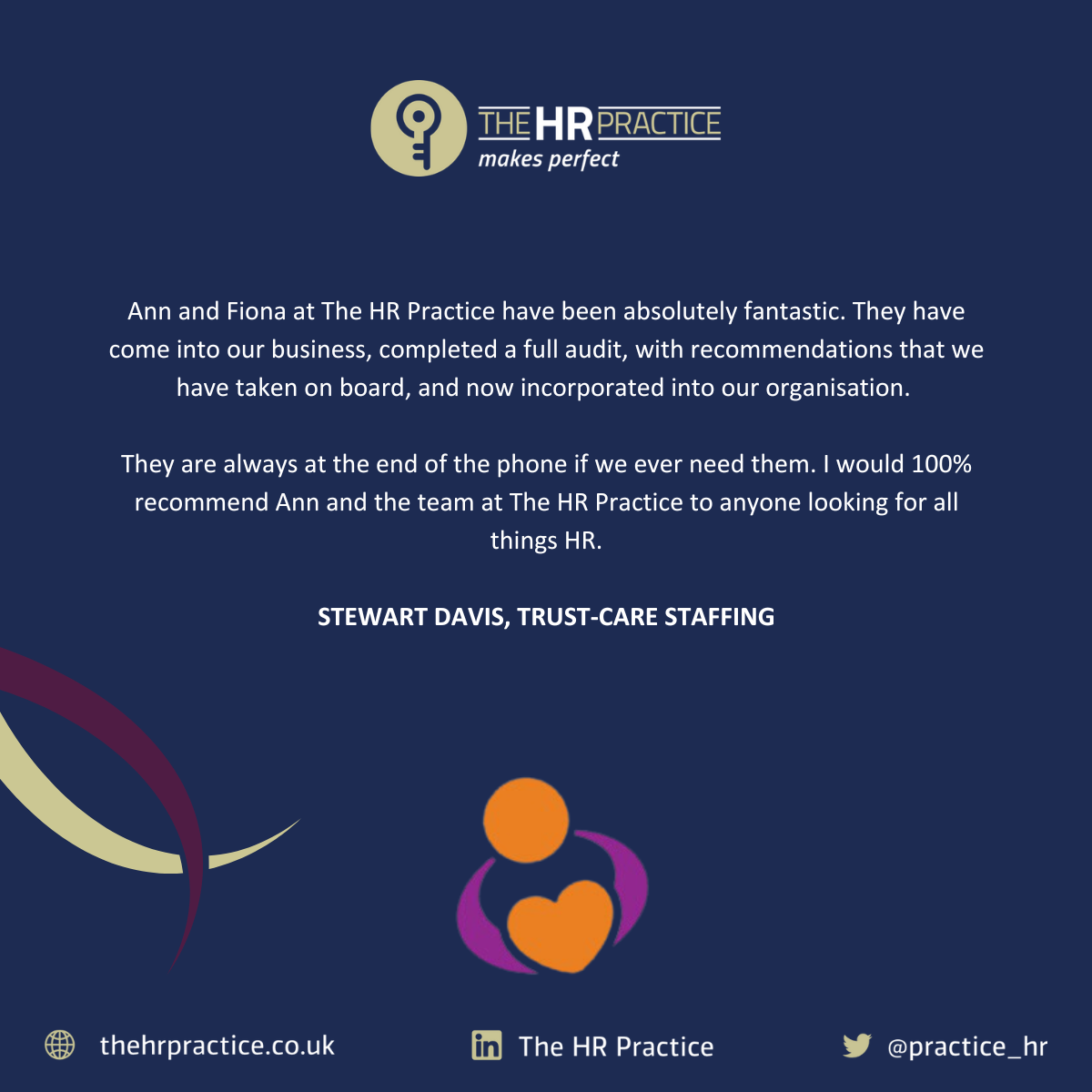
  • Trust-Care Staffing
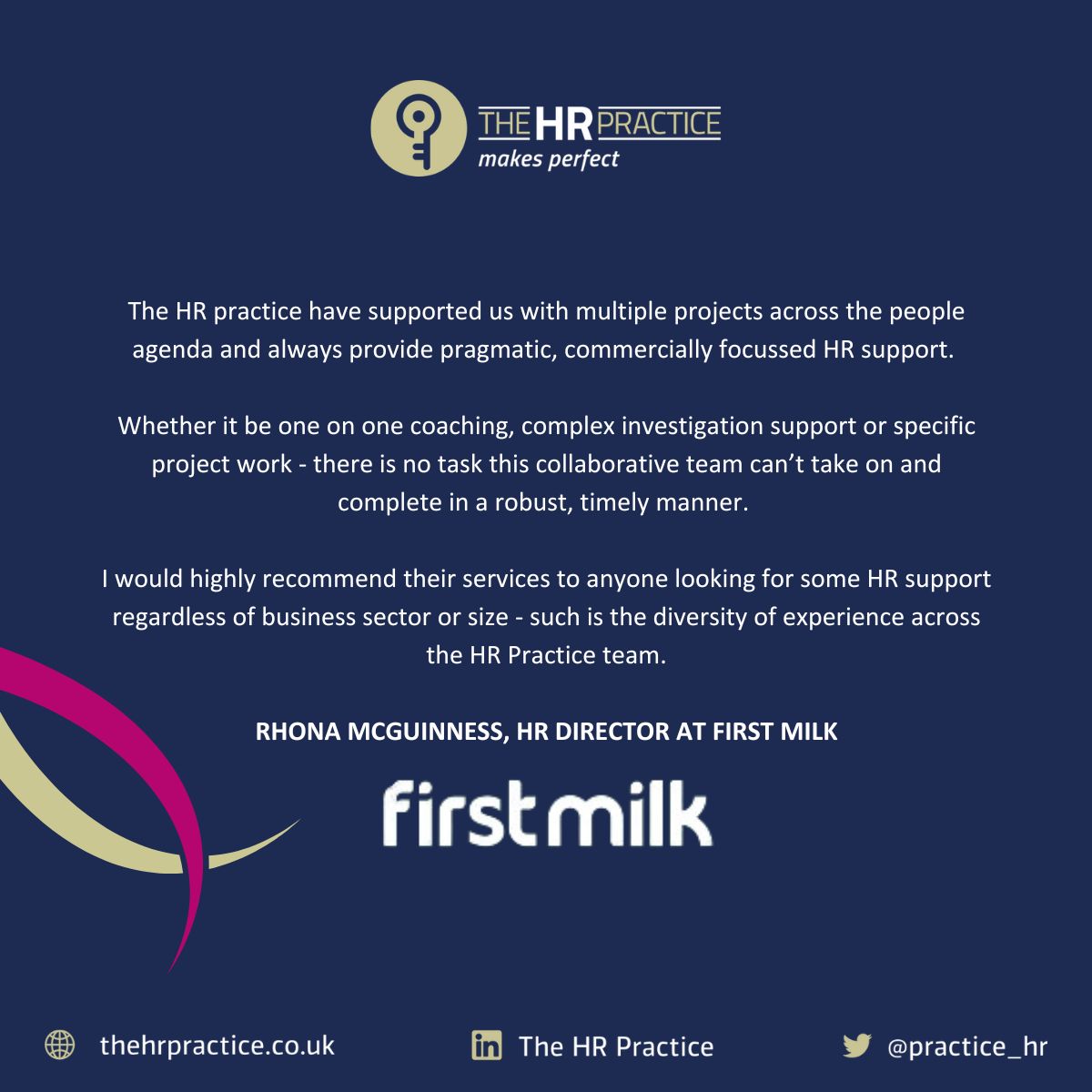
  • First Milk
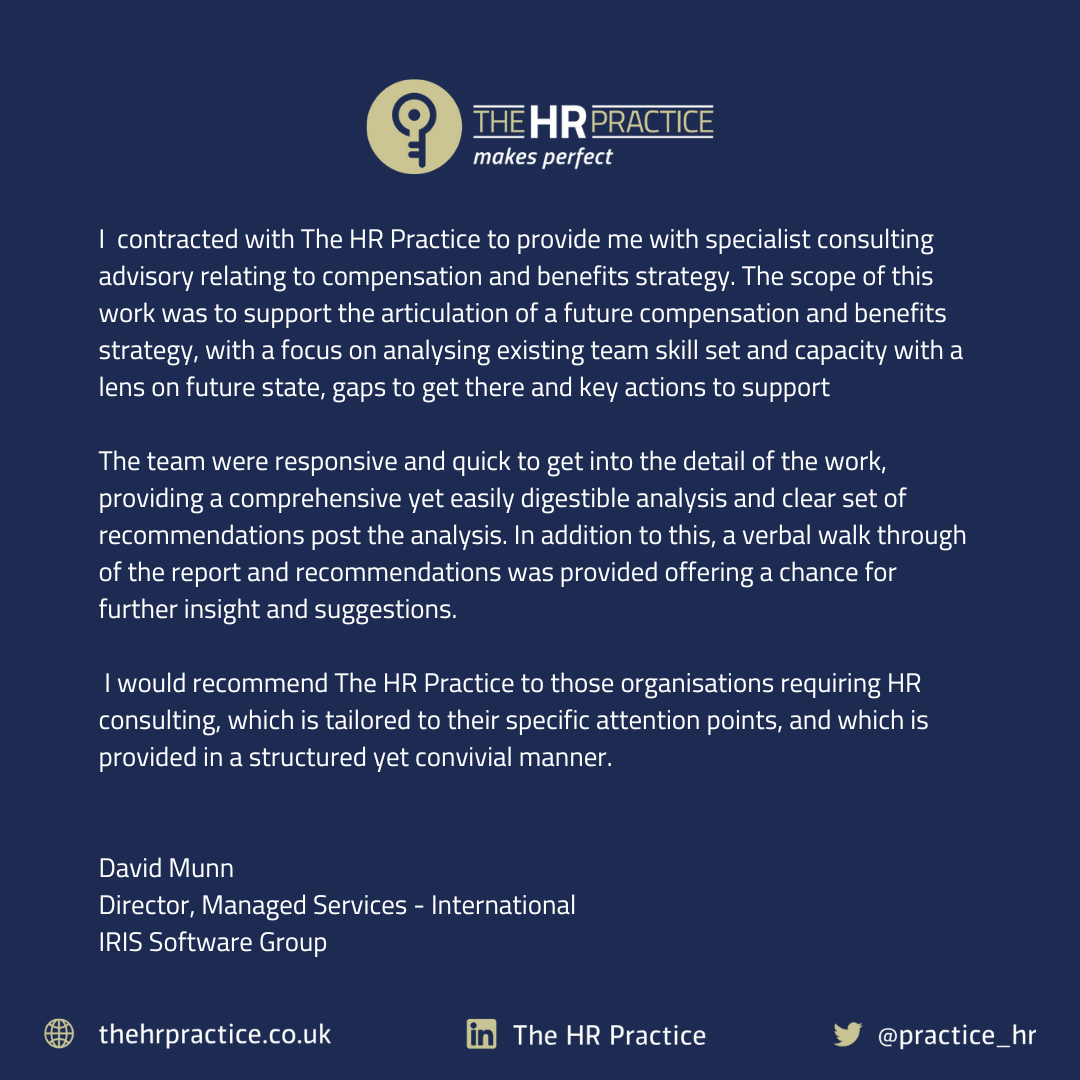
  • Iris Referrence
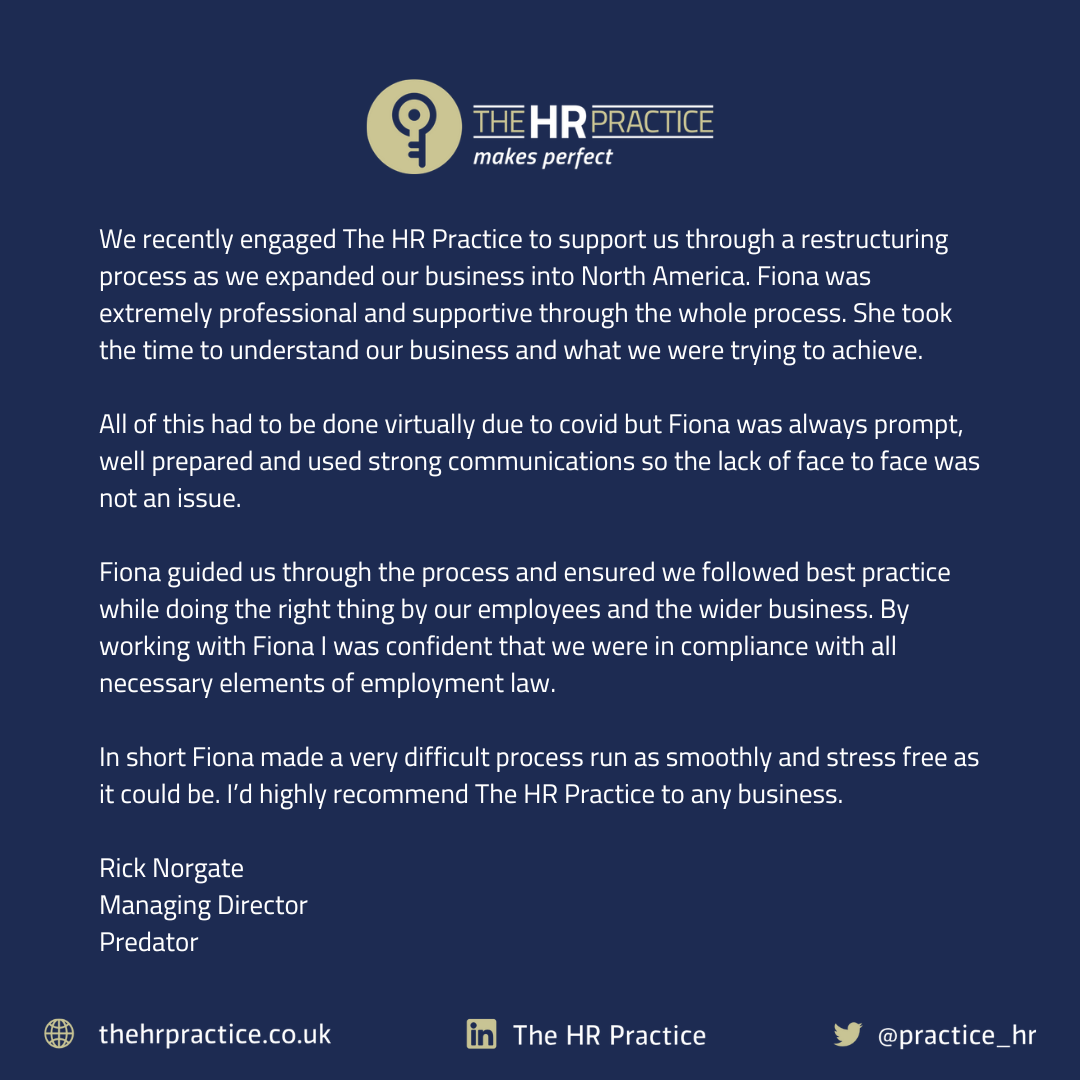
  • Predator Reference
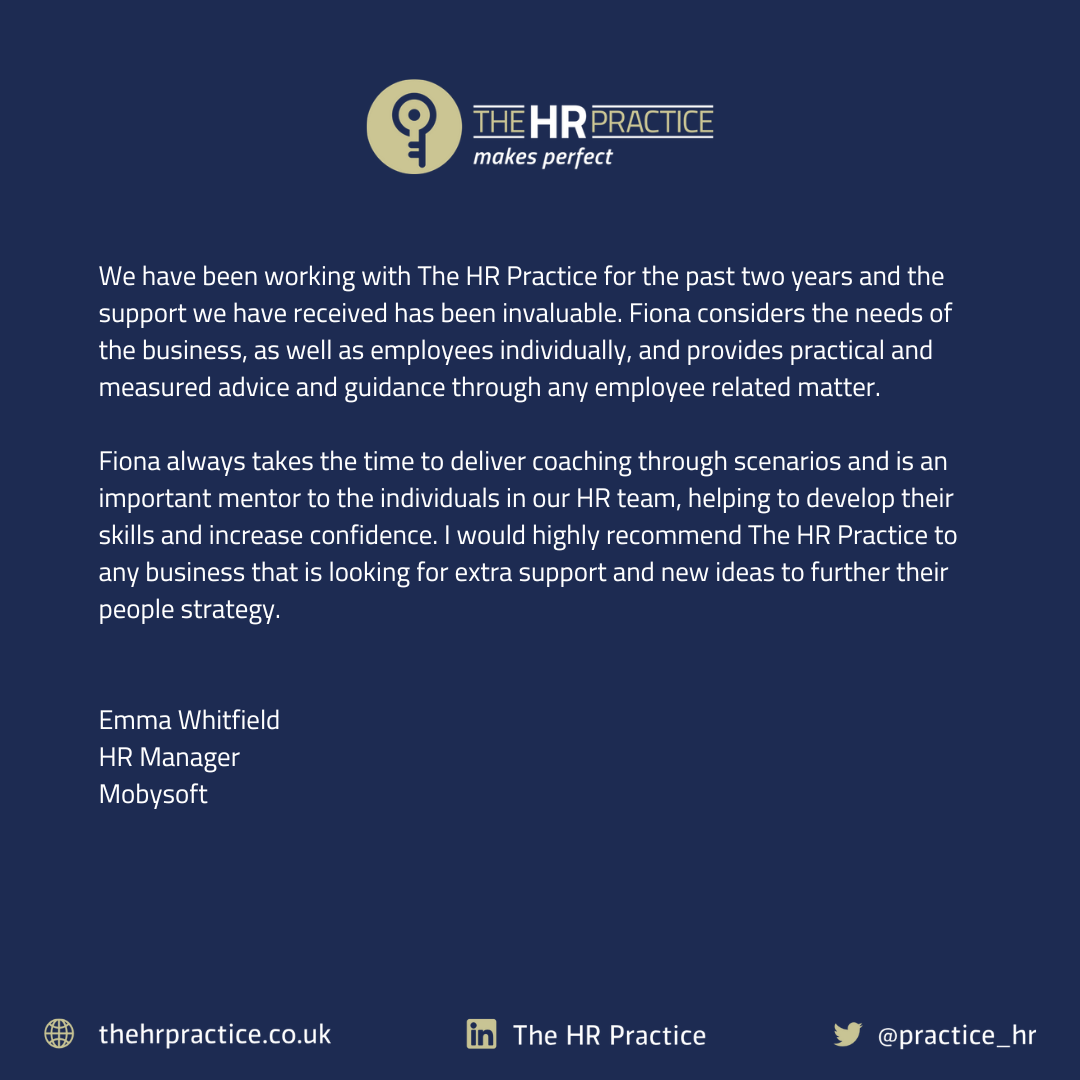
  • Reference Mobysoft
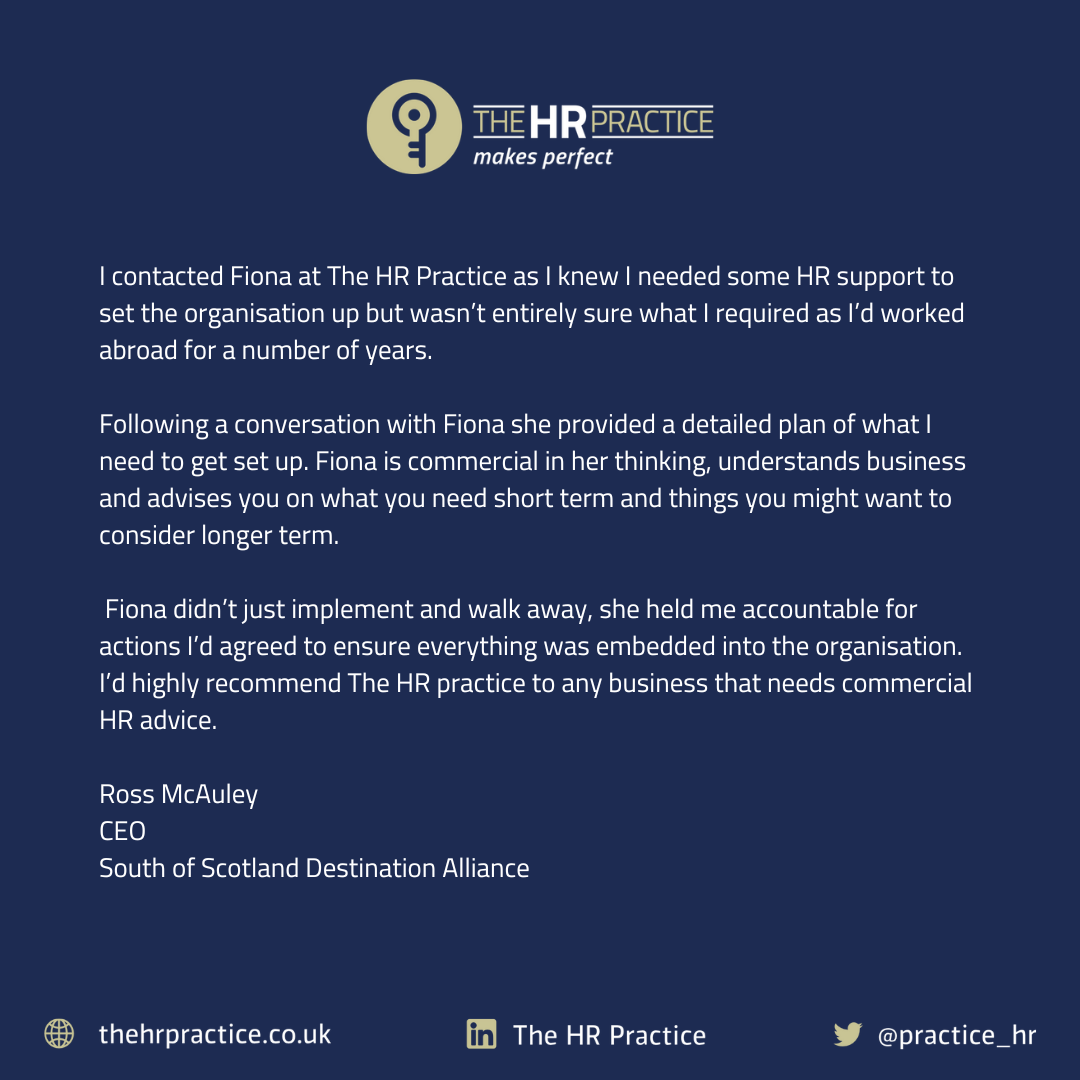
  • SSDA Reference
  • Salmon Scotland
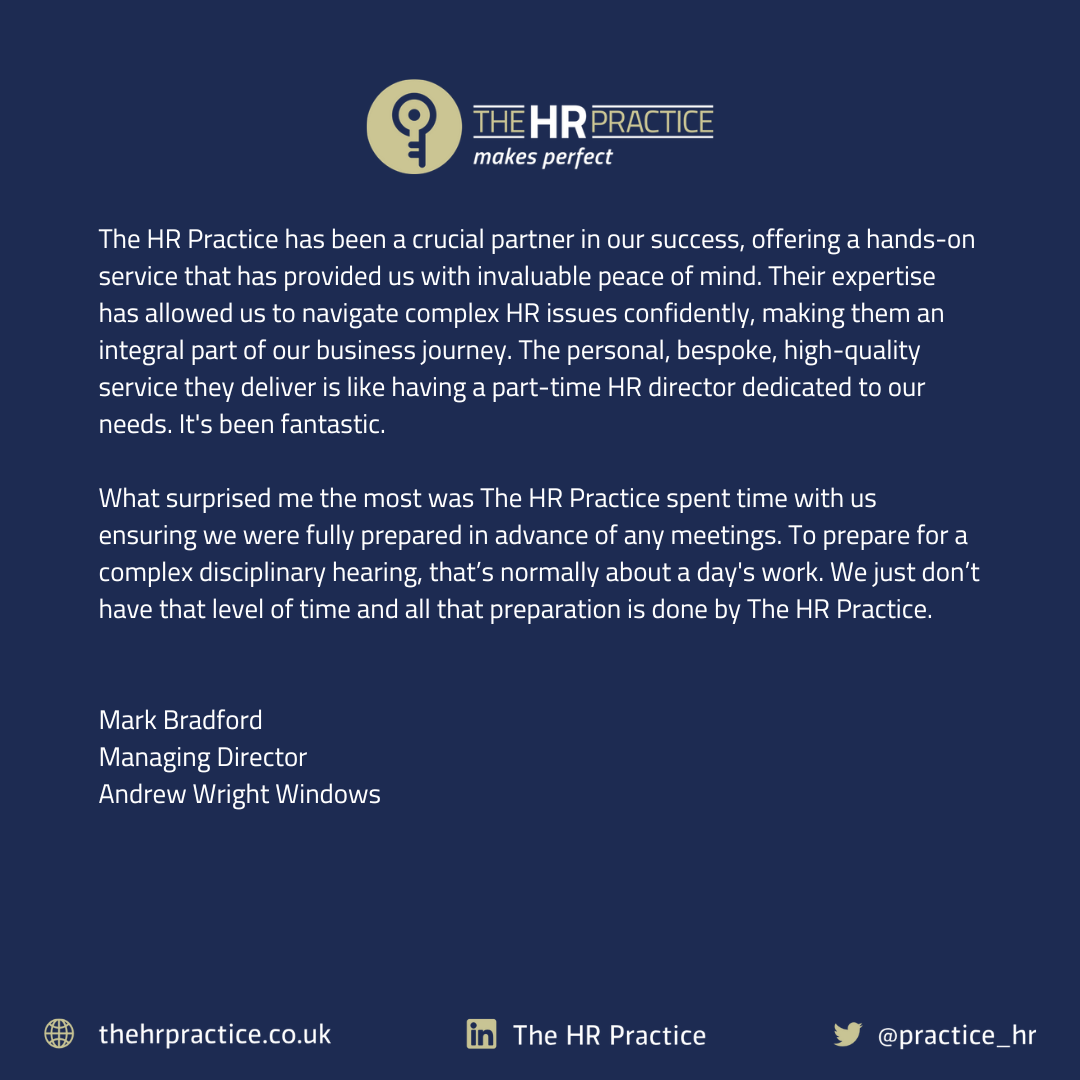
  • Andrew Wright Windows Reference
  • 2024 Testimonial Nicola
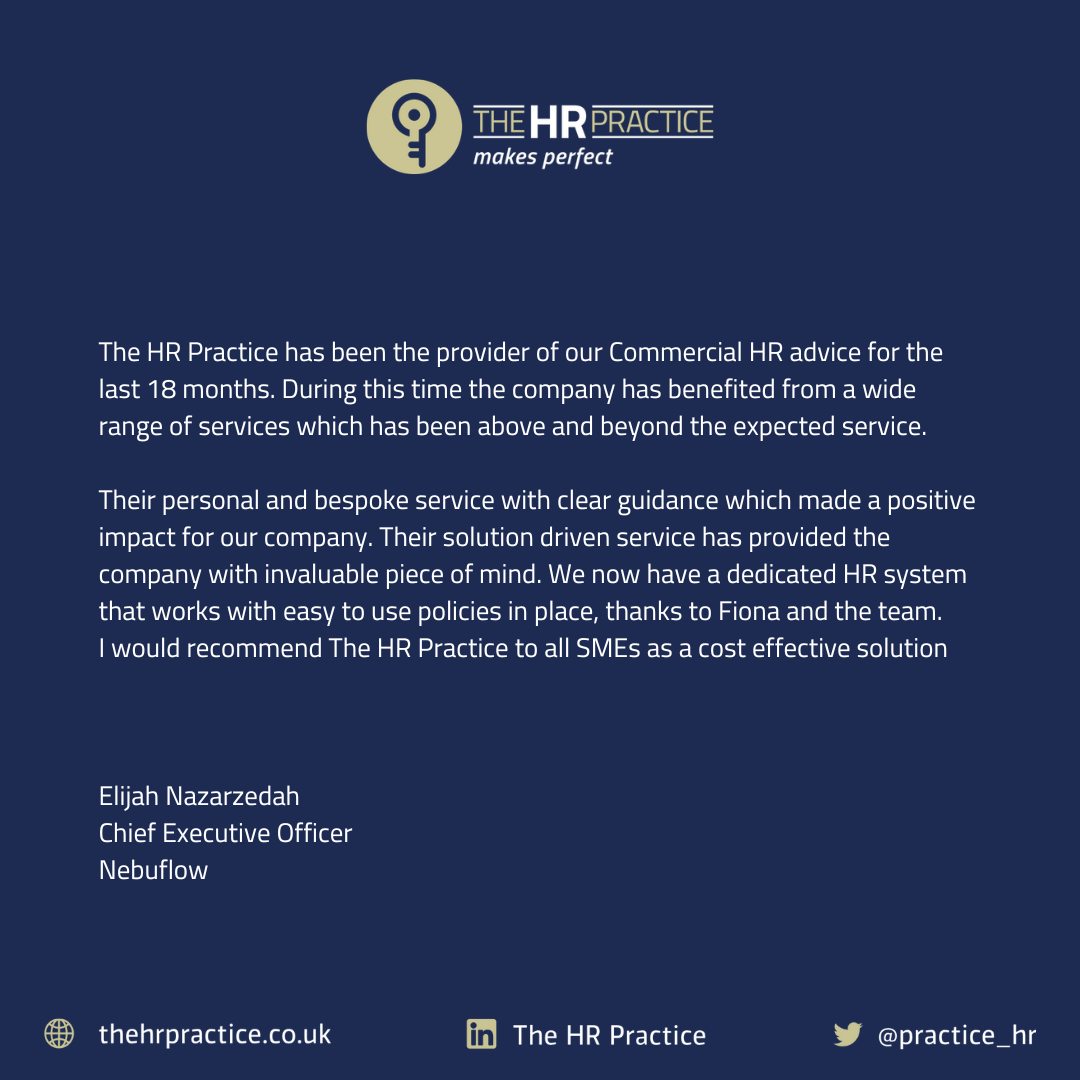
  • Elijah Testimonial
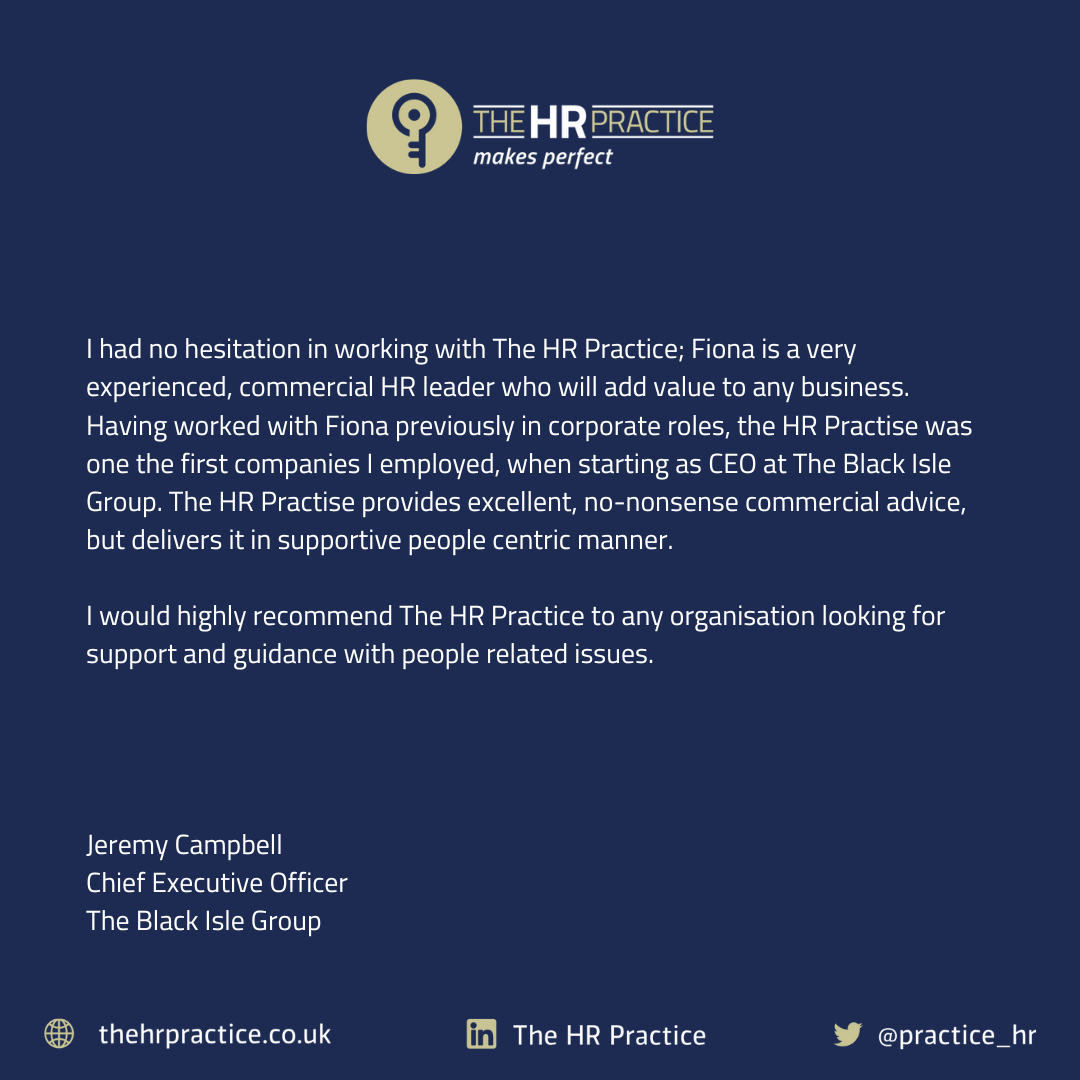
  • Jeremy Testimonial
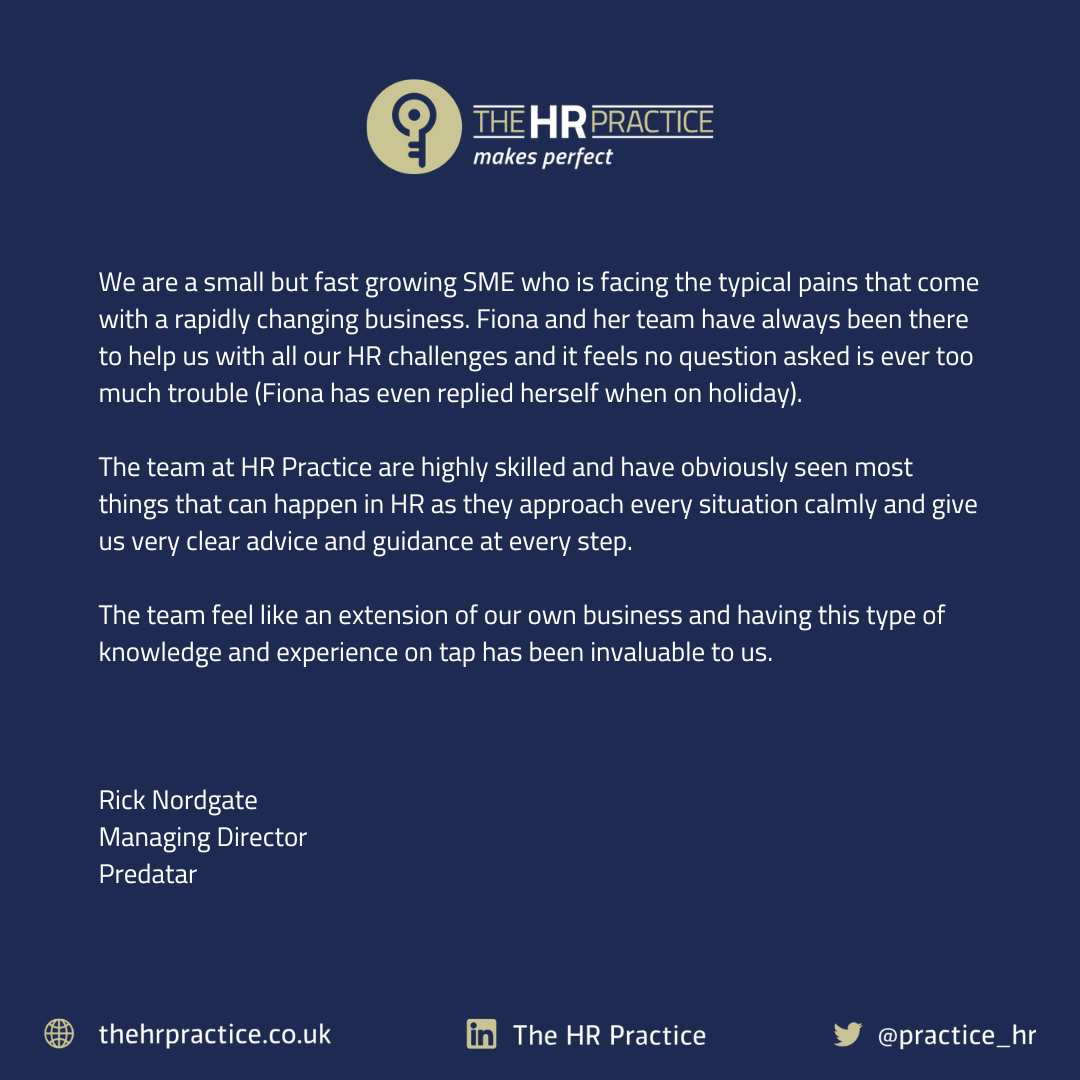
  • Rick Testimonial

    Call

    07500 071915